Driving Growth for Birdview
Designed and scaled a conversion-driven marketing ecosystem — restructuring pages, messaging, and user journeys to turn traffic into high-quality leads.
I redesigned this project three years later, applying a stronger product and growth mindset developed through my experience.
ROLE
PROBLEM
Design problems
No consistent structure or scalable page system — complex navigation, fragmented content, and competing CTAs made key user flows hard to follow.
Business problems
Growing traffic wasn’t converting into high-quality leads. Without a clear conversion path, users dropped off, limiting growth in a competitive B2B market.
RESULTS
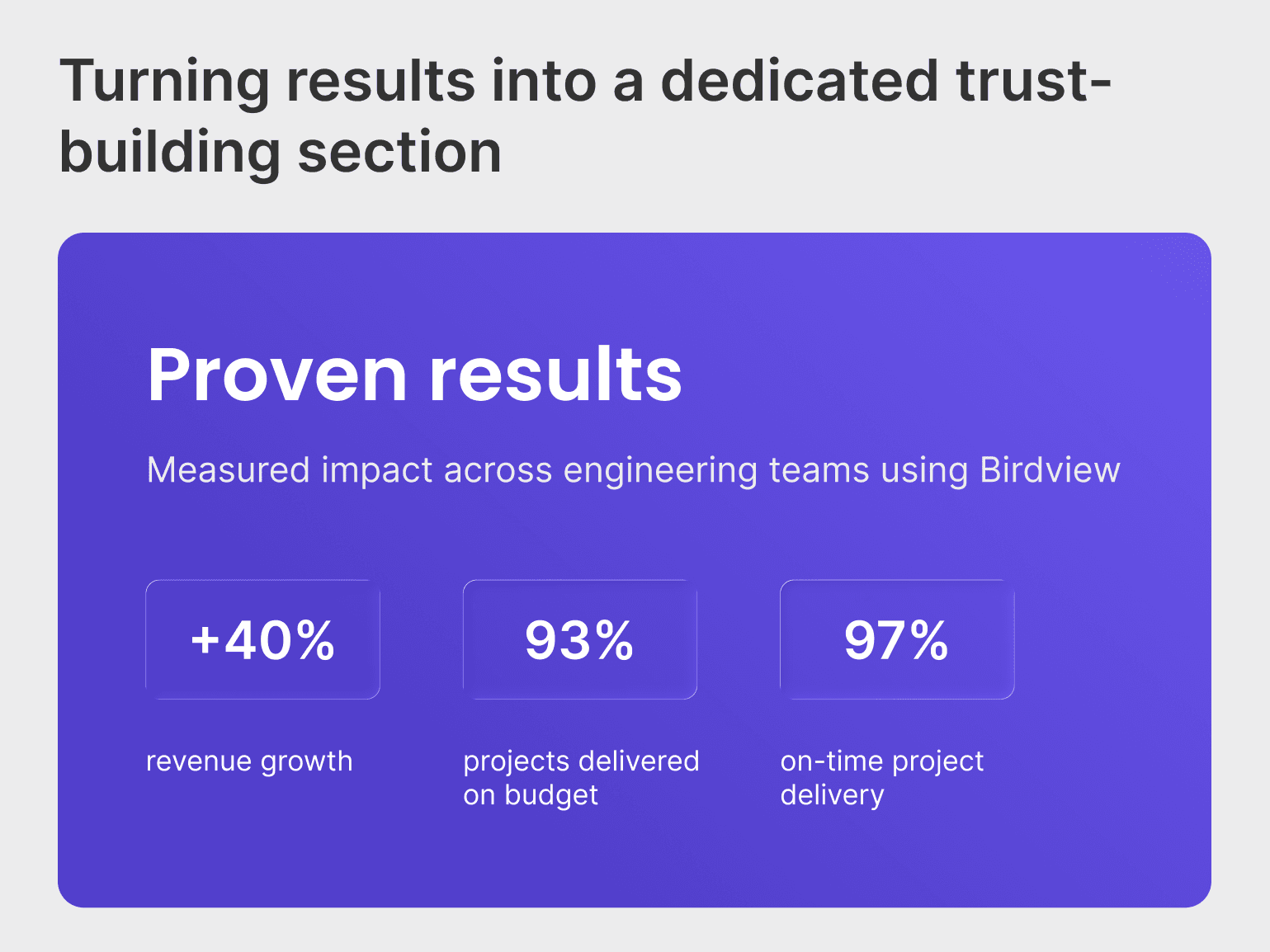
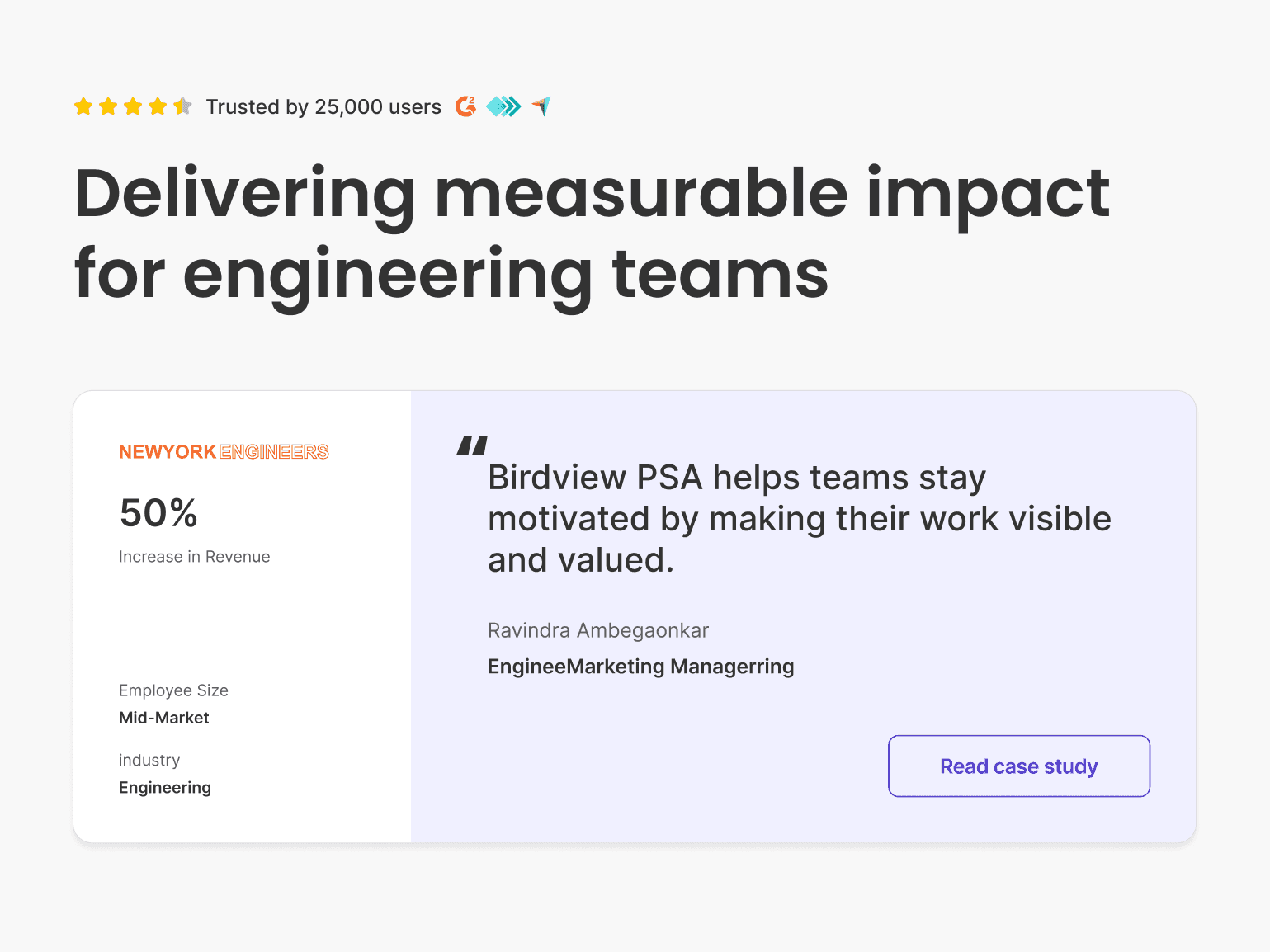
+180% high-quality leads
6K–20K monthly website traffic
Top 10 Google rankings
500+ scalable pages
Audience and product focus
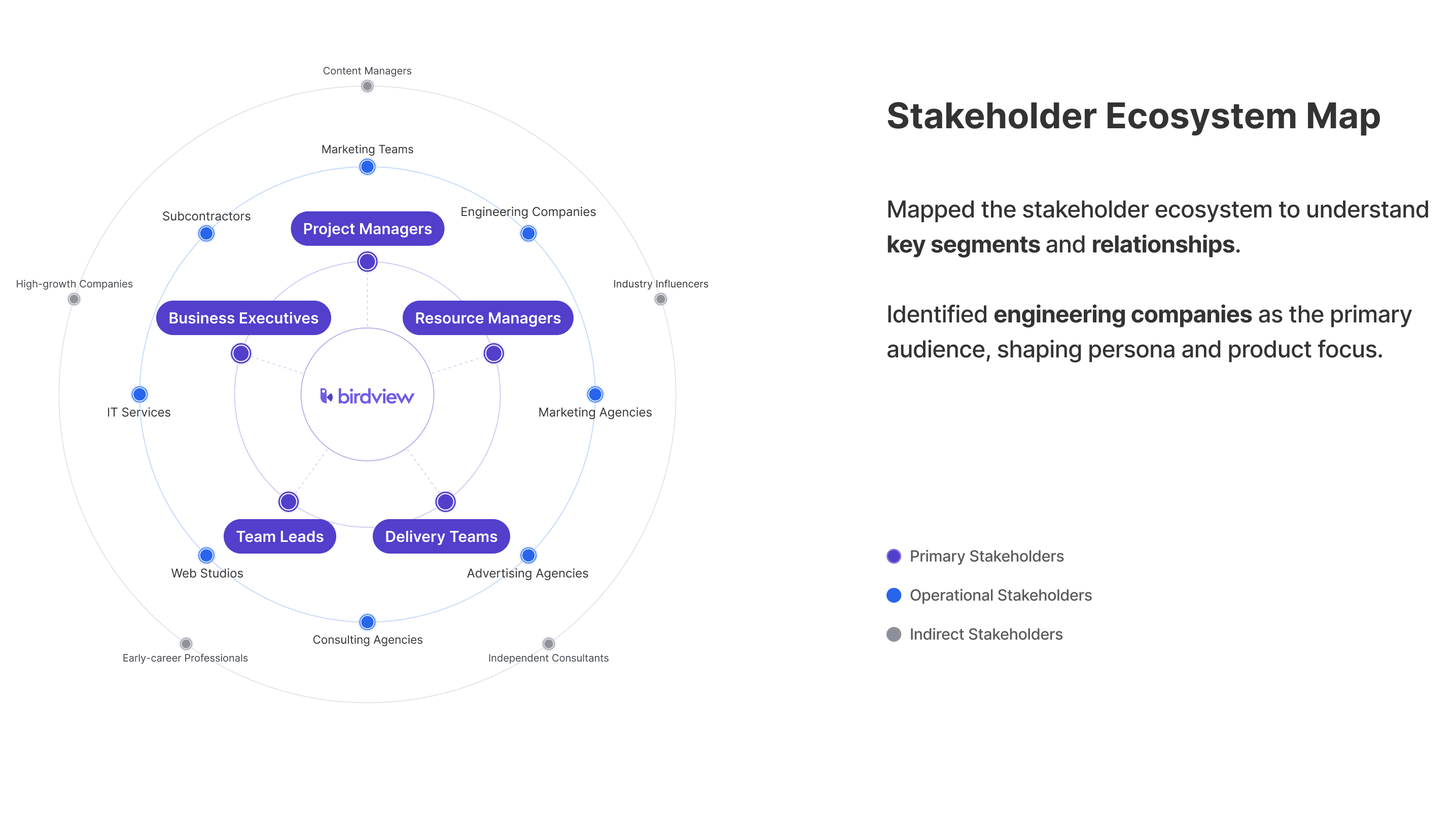
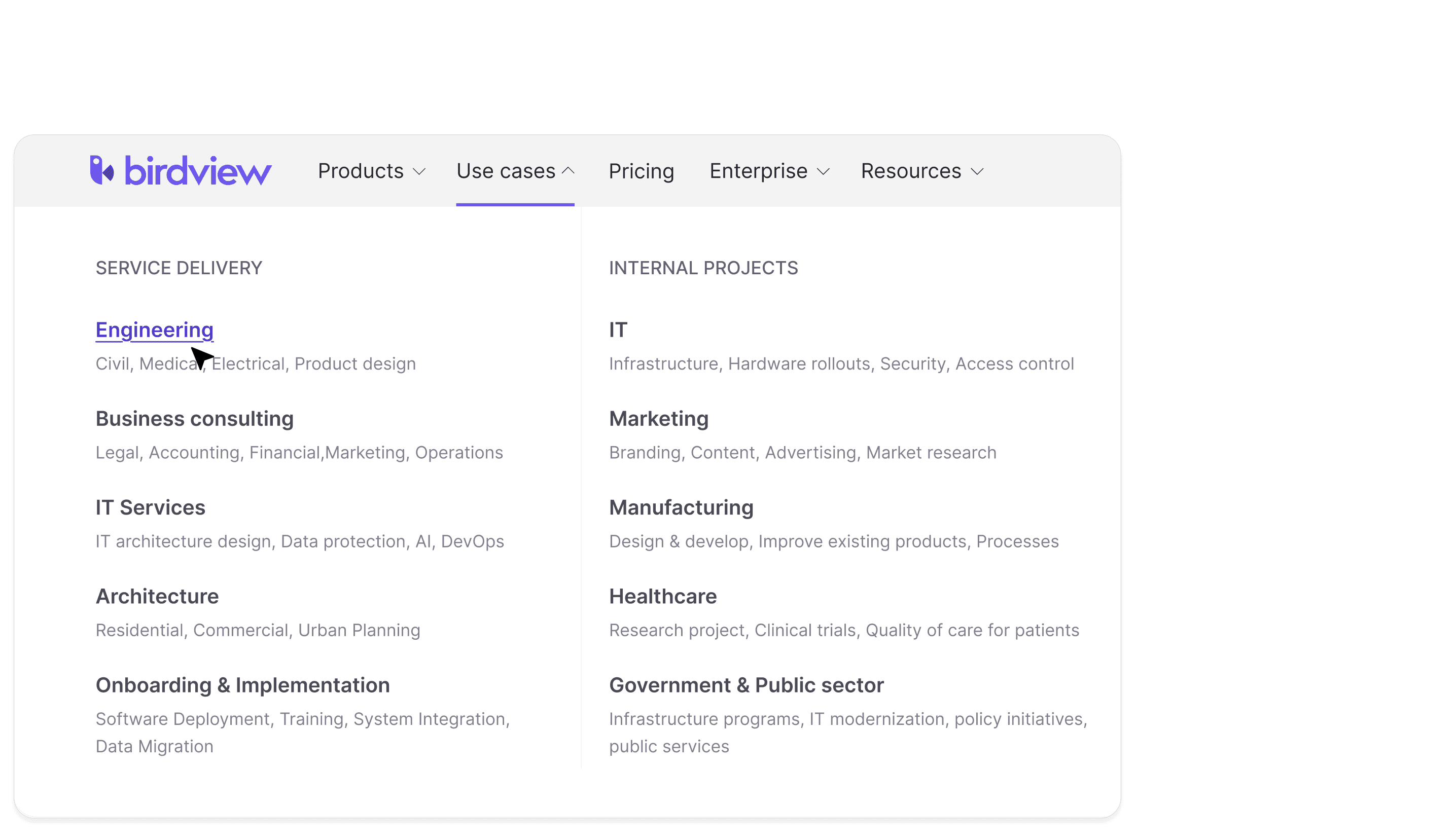
I mapped the stakeholder ecosystem to identify key segments and decision-makers, narrowing the focus to engineering teams as the primary audience.
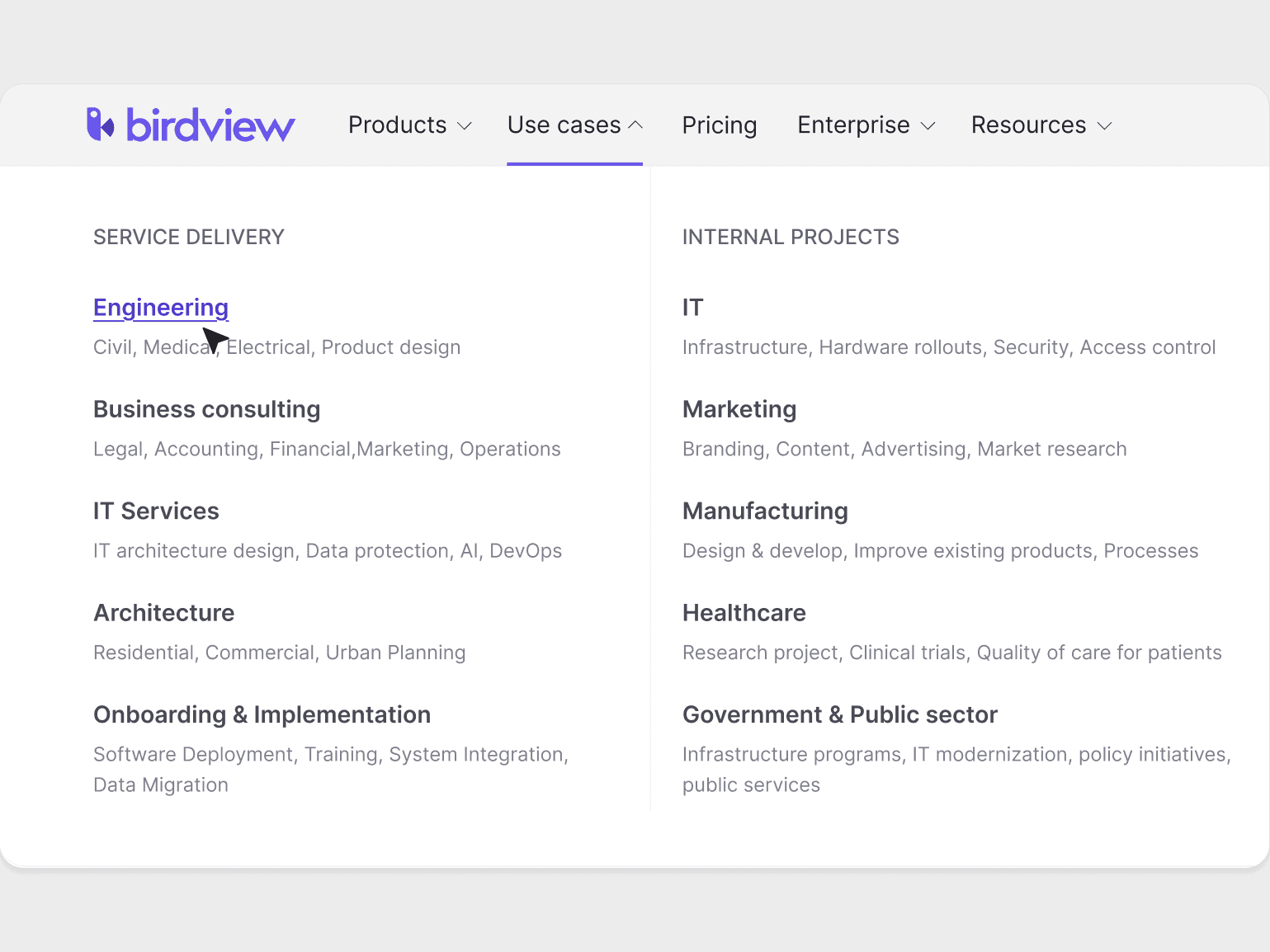
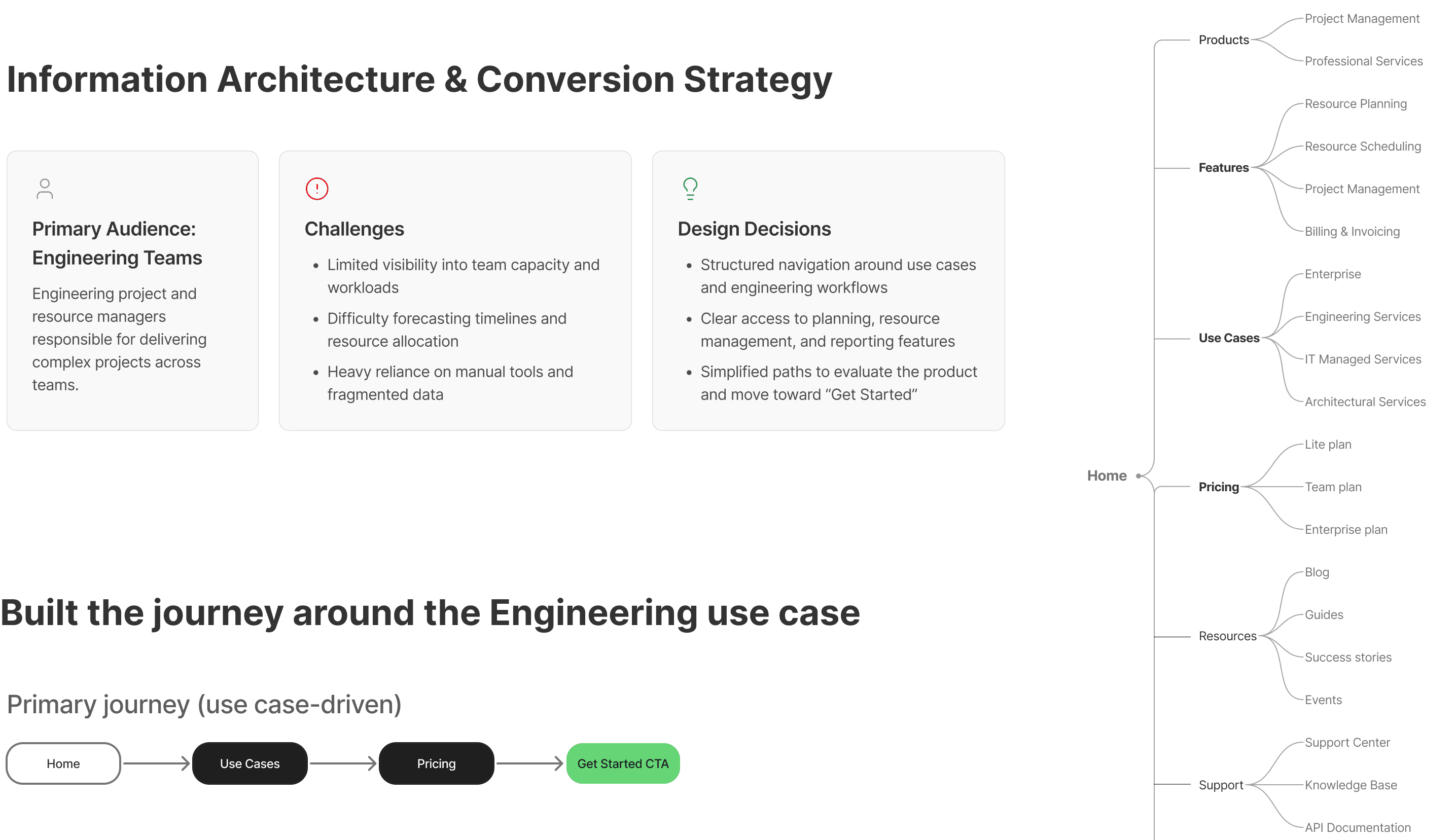
Based on this, I defined a core user profile and restructured the information architecture around use cases.
Navigation was simplified by removing visual noise (icons, color coding, unnecessary elements), improving clarity and access to high-intent scenarios.
Selling outcomes, not features
The original Engineering page focused on features, but didn’t clearly communicate user value or business impact.
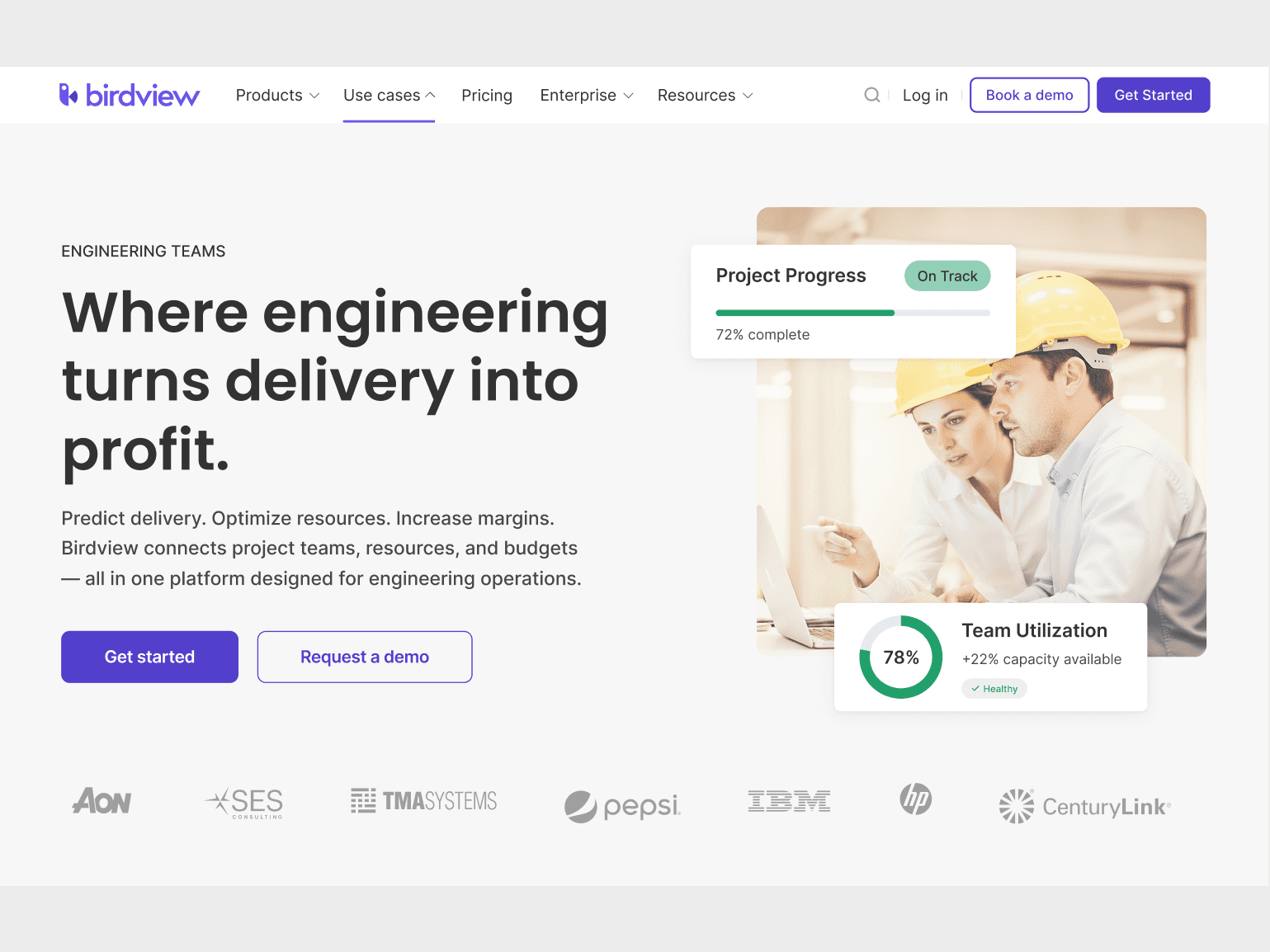
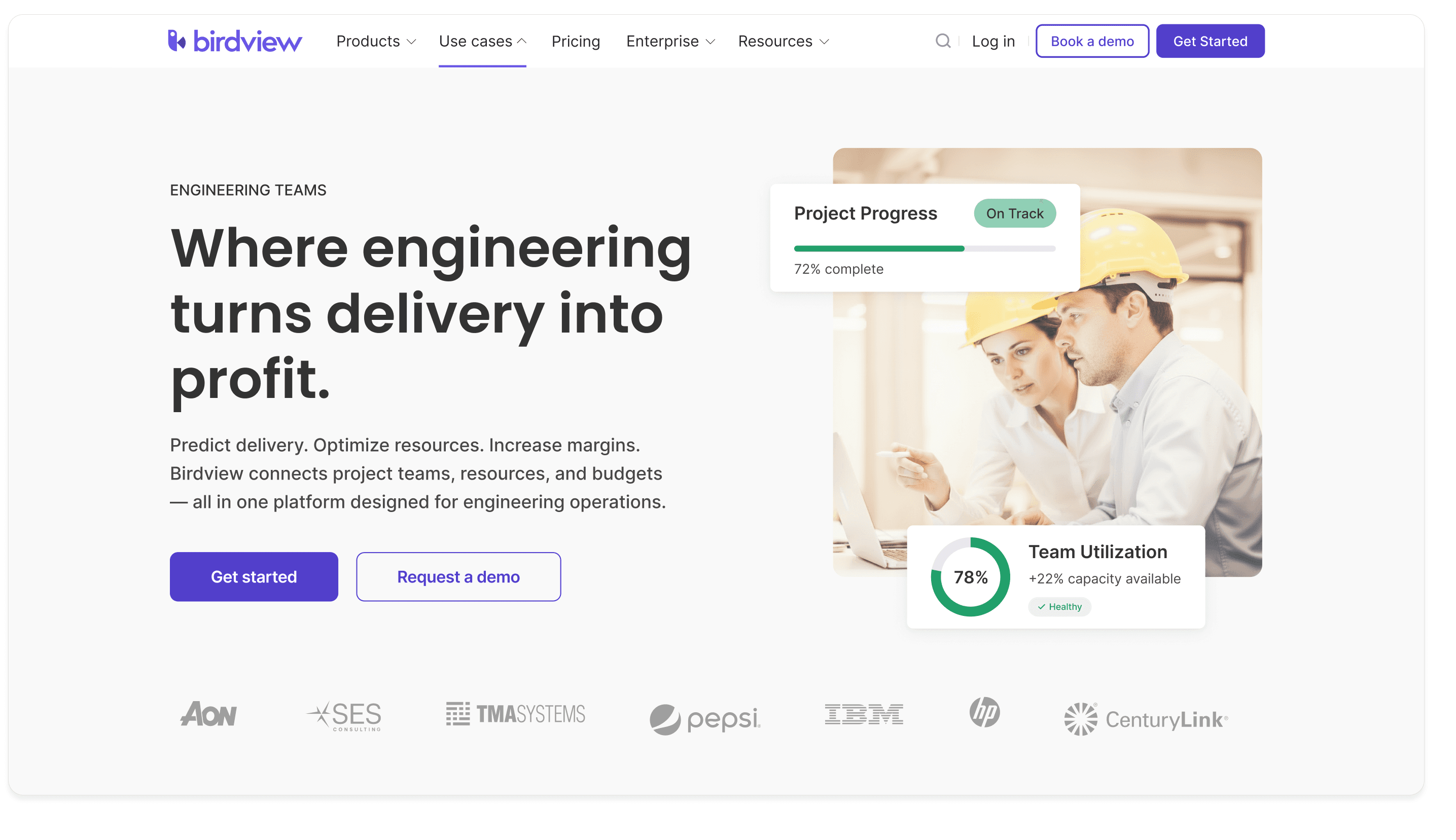
Restructuring the engineering page around business value.
I focused on the hero as the main decision point, shifting messaging from a generic product description to clear business outcomes. This reframed the product as a system that helps teams turn delivery into profit. Based on research, I highlighted key pain points: project progress and team utilization, and replaced abstract visuals with a more relevant, real-world context.
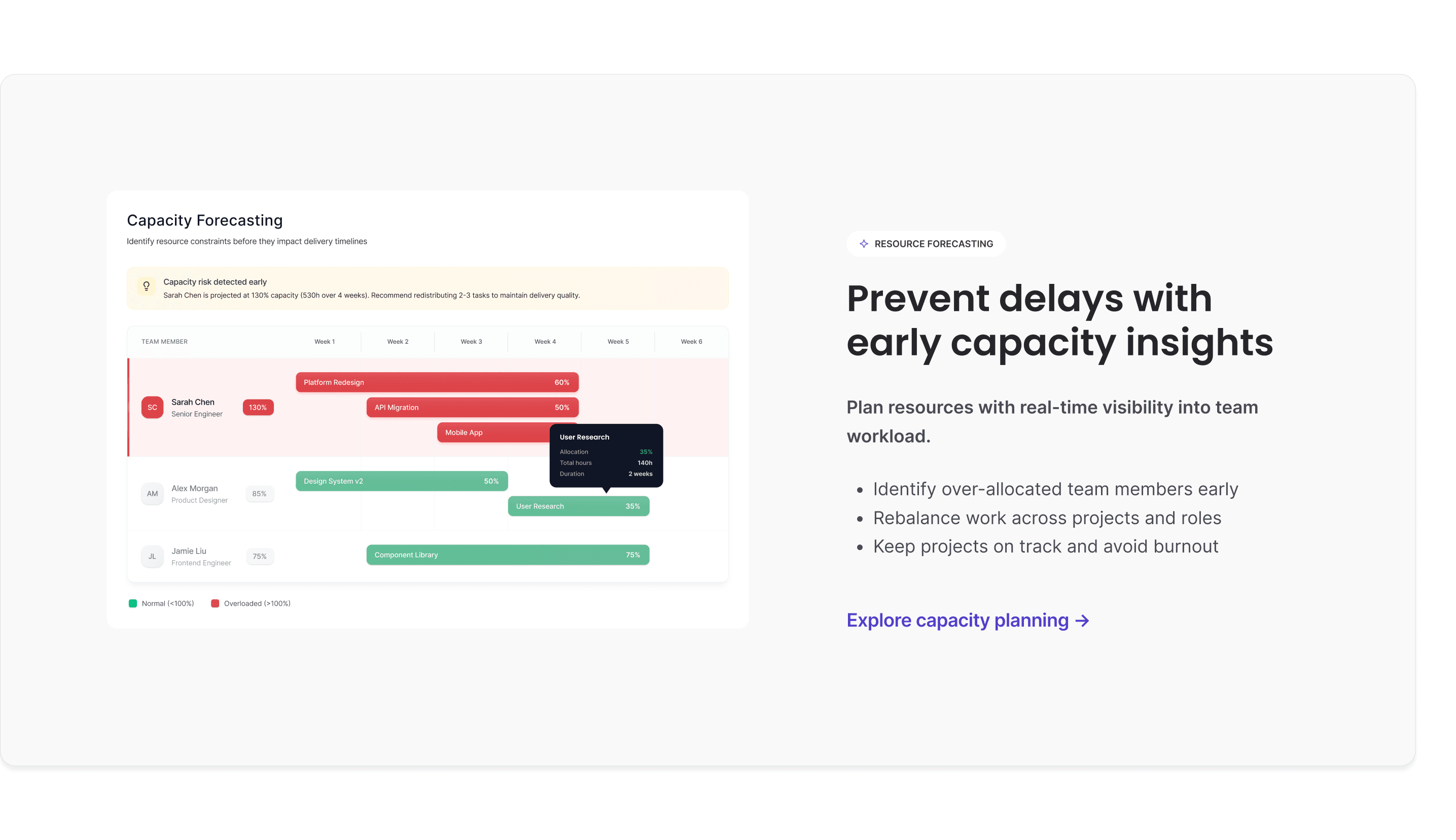
Prioritizing capacity forecasting.
I made capacity forecasting the main use case and brought it higher on the page. Instead of listing features, I showed how it helps teams avoid delays and keep delivery on track. This makes the value clear from the start.
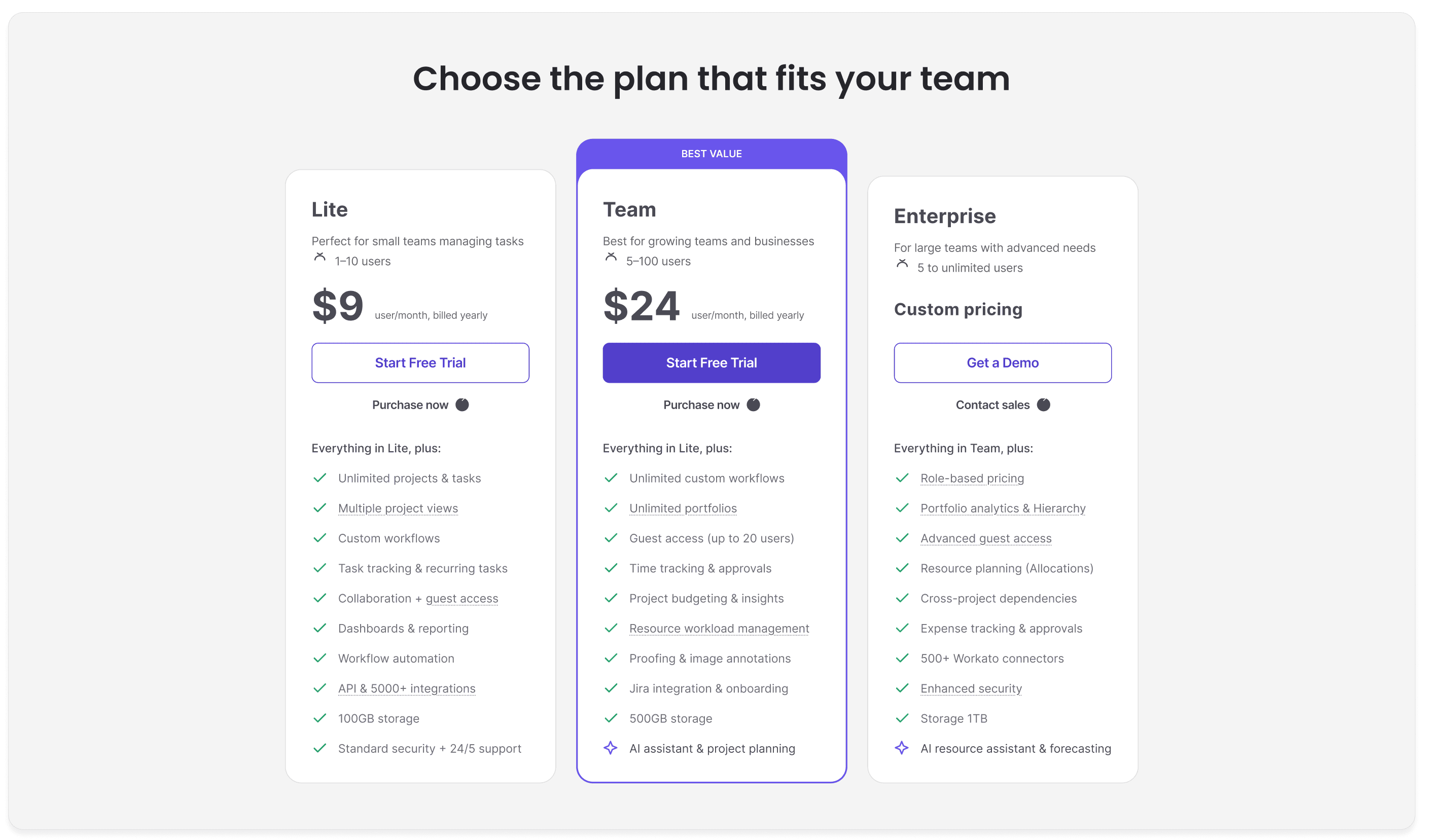
Pricing restructuring.
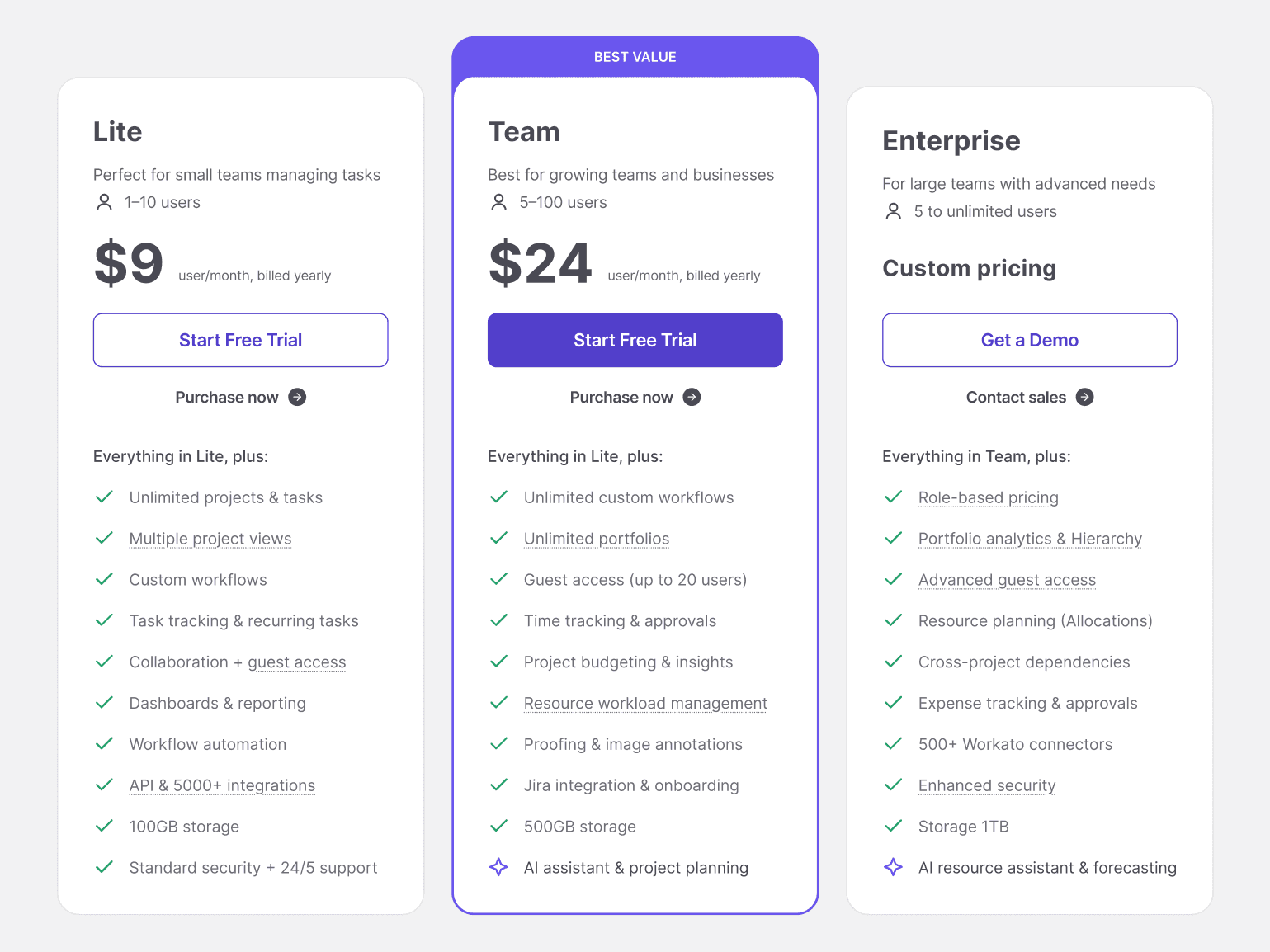
The original pricing was crowded and hard to compare, with 15–20 visible features per plan and inconsistent structure. I reduced each plan to 10 key features, made the hierarchy consistent, highlighted the recommended option, and clarified who each plan is best for.
I also surfaced AI-powered features as part of the value proposition, making them easier to notice and understand. The result was a cleaner pricing page with less cognitive load and a clearer path to decision-making.
Reimagining the current experience
This project builds on the current Birdview website, exploring how its key pages could better support user decision-making.
The existing Engineering page → feature-focused
The existing Pricing page → dense and comparison-heavy
The redesign shifts both toward clarity, outcomes, and guided decisions — creating a more intentional path to “Get Started”.